Vernissage EARTH MATTERS of the Bergson Gallery
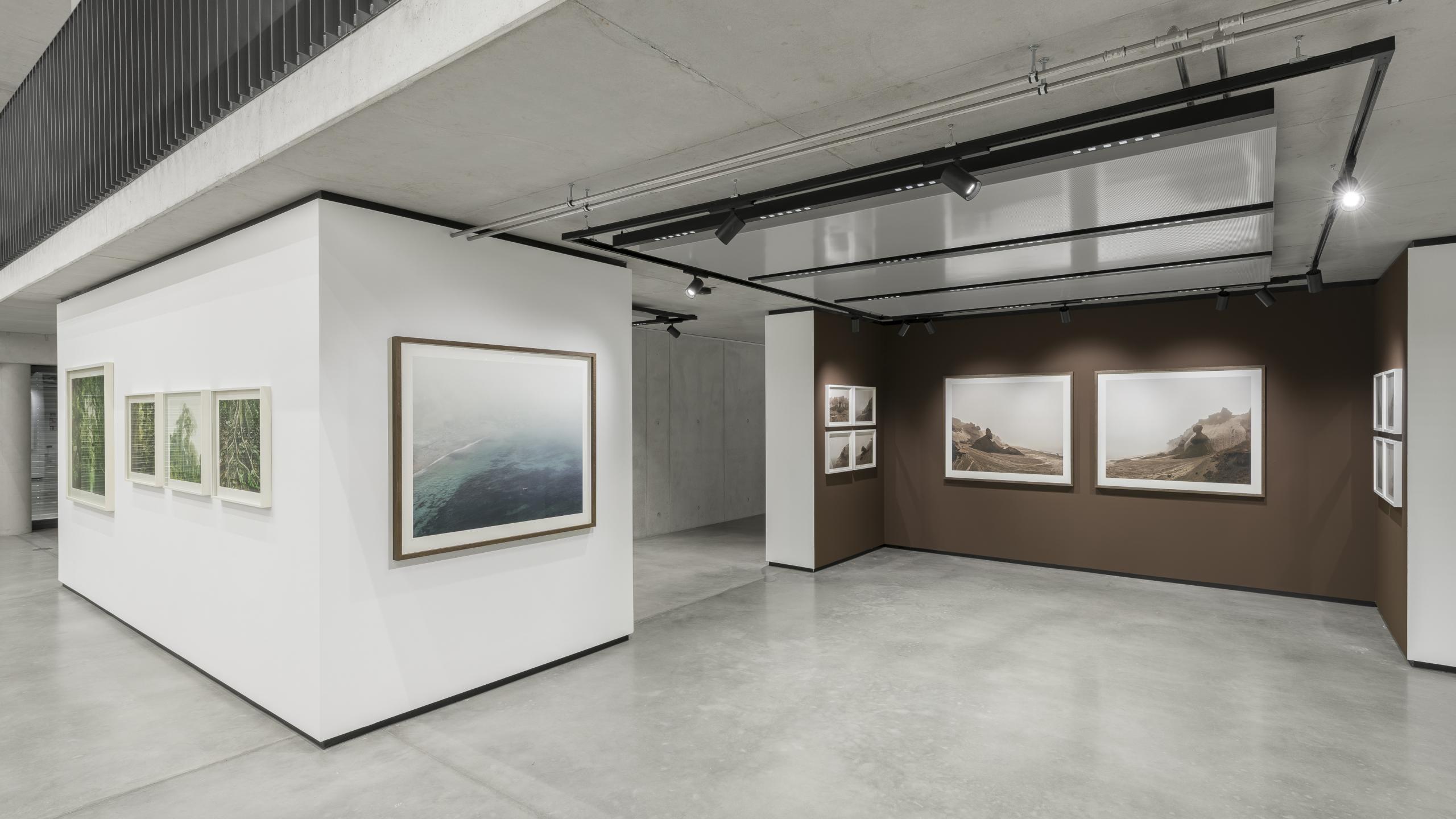
On display are works by five artists whose approaches appeal to and activate our senses in a variety of ways. They are dedicated to central questions of our time: the consequences of industrialization, the human striving for optimization and the unforeseeable consequences of technological developments. The focus is on ecological systems, technical artifacts and hidden biological life forms of unimagined beauty - and their potential to create positive change and have a global impact, either independently of humans or together with them.
Using images, sculptures, photographic works, videos and spatial installations, EARTH MATTERS uses immersive and impressive works to examine and reflect on what both nature and our civilization have created on Earth
In dialog with visitors, the exhibition aims to address the following questions, among others:
Where are we today - and where do we want to develop? How can we treat our planet responsibly? And finally: How much influence and freedom do humans have in a world that is increasingly shaped by autonomous technological forces?
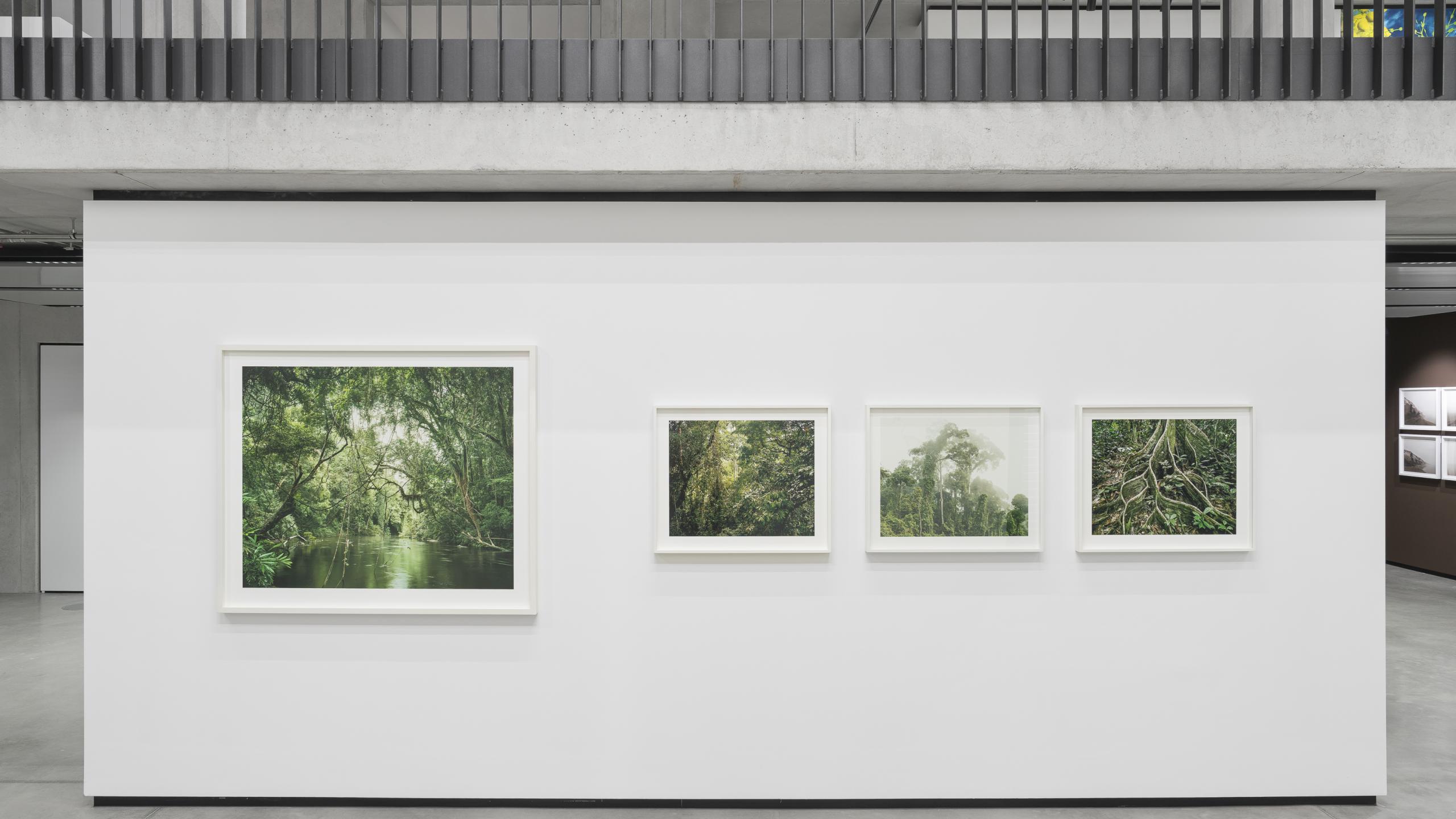
- Landscape photography has been the focus of Olaf Otto Becker's artistic work for over 30 years. At the center of his work is the photographic examination of the traces that man leaves directly or indirectly in the landscape. He often juxtaposes photographs of largely untouched nature with those characterized by human intervention and travels to remote regions to do so.
- Andreas Greiner 's multimedia work includes time-based, living and digital sculptures. A central aspect of his practice is the exploration of possible extensions of the classical parameters of sculpture. In terms of content, his work focuses on the anthropogenic influence on the evolution and form of nature. This is illustrated in particular by "Monument for a contemporary dinosaur (ROSS 308)" in the exhibition.
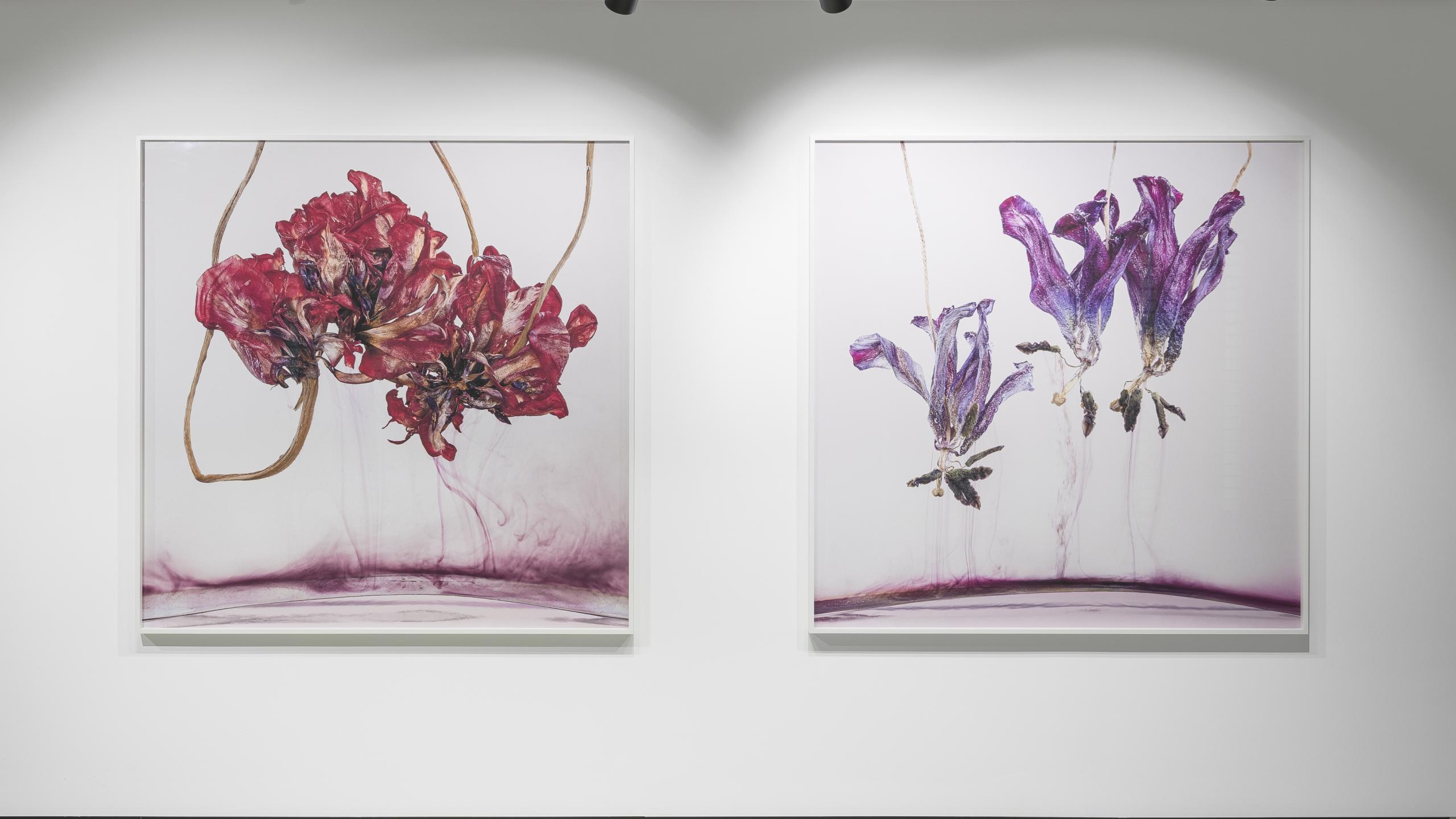
- Kathrin Linkersdorff observes the transformation processes of flowers and plants and develops experiments to visualize states between being and decay. This results in scenic images of decay that simultaneously exude grace and vitality. Her interest in organic pigments recently led her to microbiology, where she investigated the behavior of bacteria and their colored antibiotics.
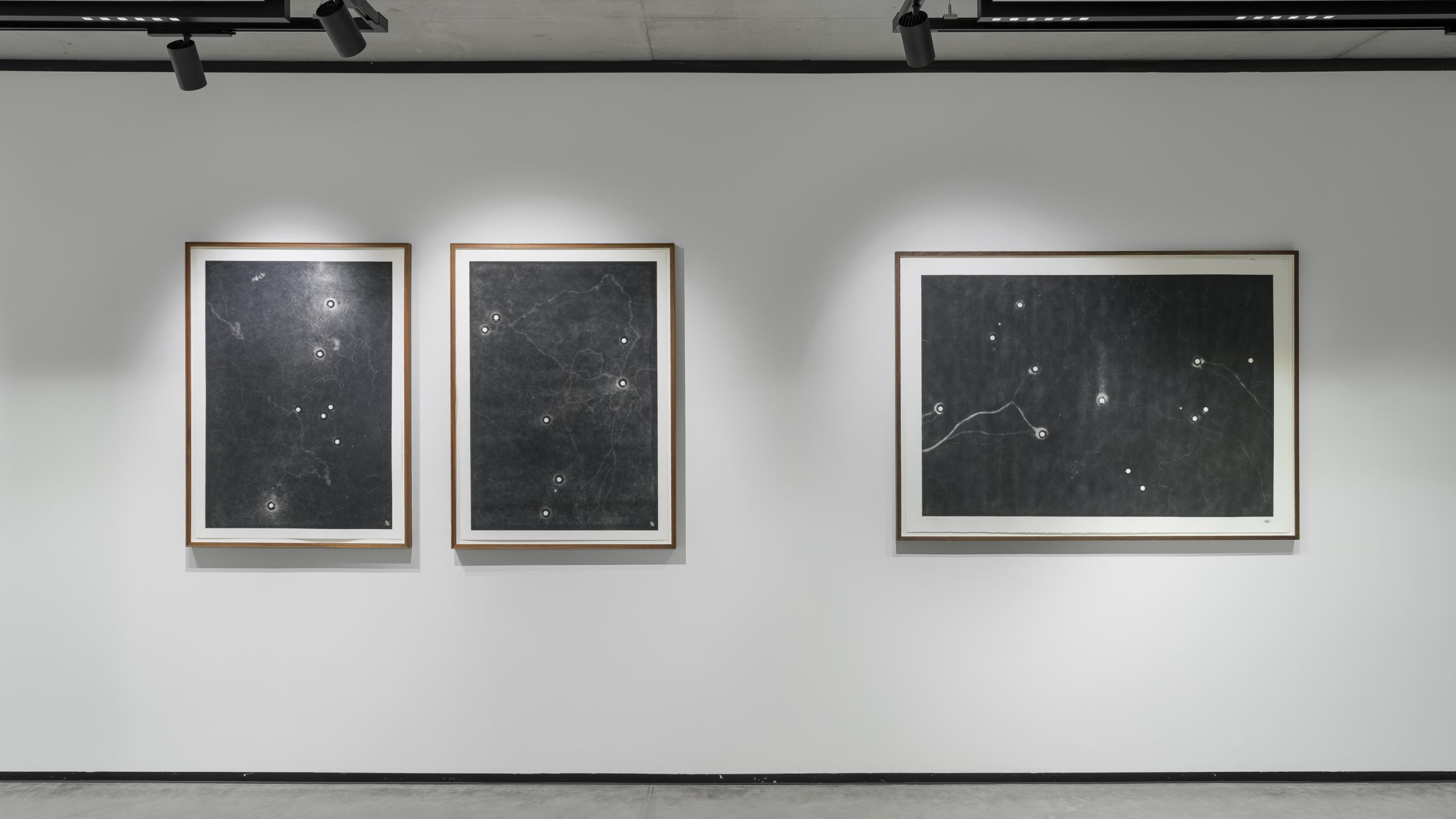
- Maximilian Prüfer's work is at the interface between art, science and philosophy. Using his specially developed technique of "Naturantypie", he makes the mostly hidden organizational structures of insects and other creatures visible and translates their rhythms of movement into a visual language that is as analytical as it is sensually tangible.
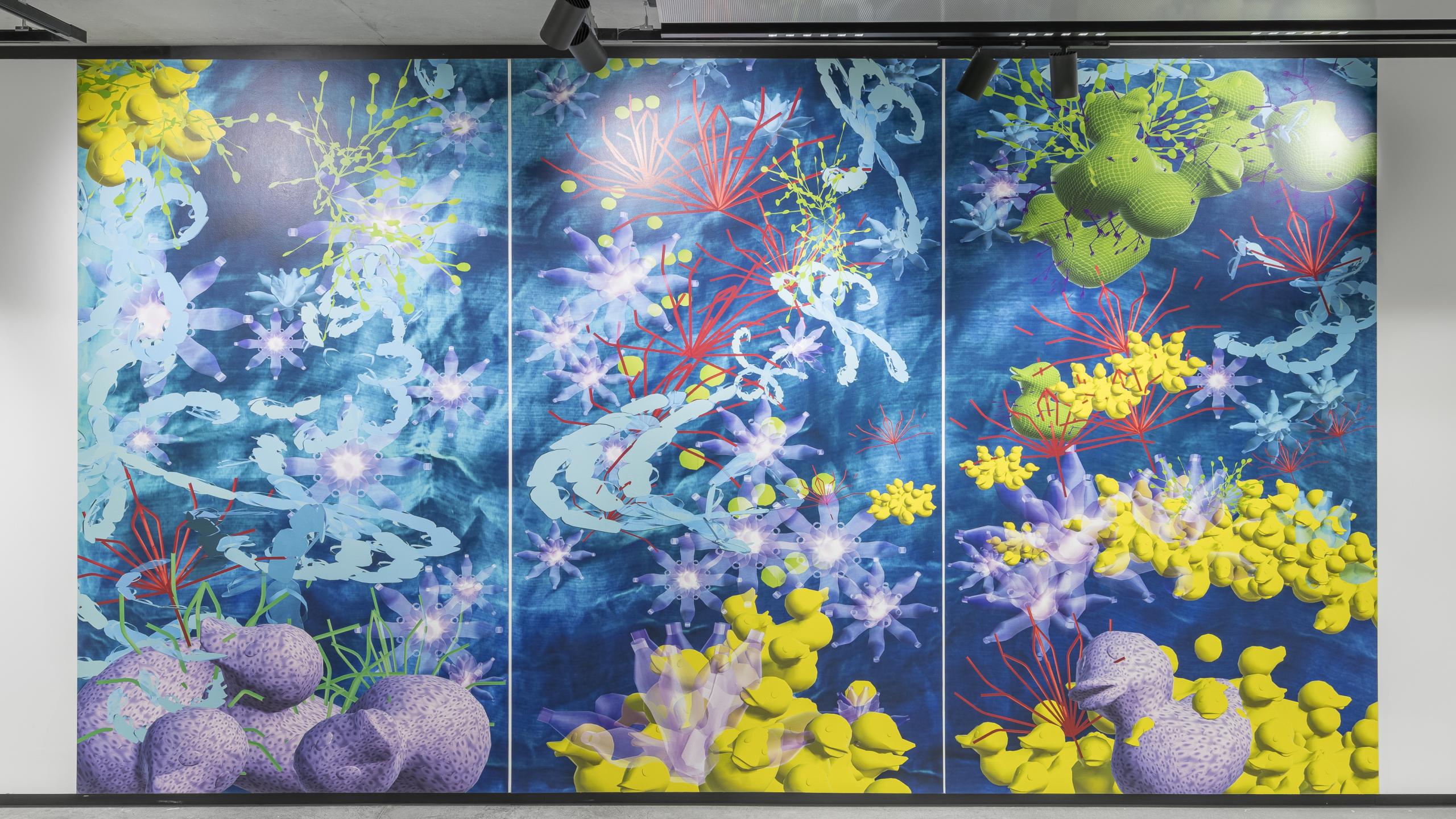
- In her series of works "Plastocene Dreams" and "Plastocene Reef",Tamiko Thiel takesvisitors into an underwater world of marine life and plastic with the help of the latest technologies - an impressive experience that makes the consequences of human activity immediately tangible.A monumental, interactive video projection will be presented in the large atrium at the opening.